


Pregnancy is a significant milestone in a woman’s life, marked by profound physical, anatomical, and hormonal transformations. These changes, which take place over nine months, are necessary for fetal development and the body’s preparation for childbirth.
- Anatomical and Hormonal Changes As the pregnancy progresses, a woman’s body undergoes several key transformations:
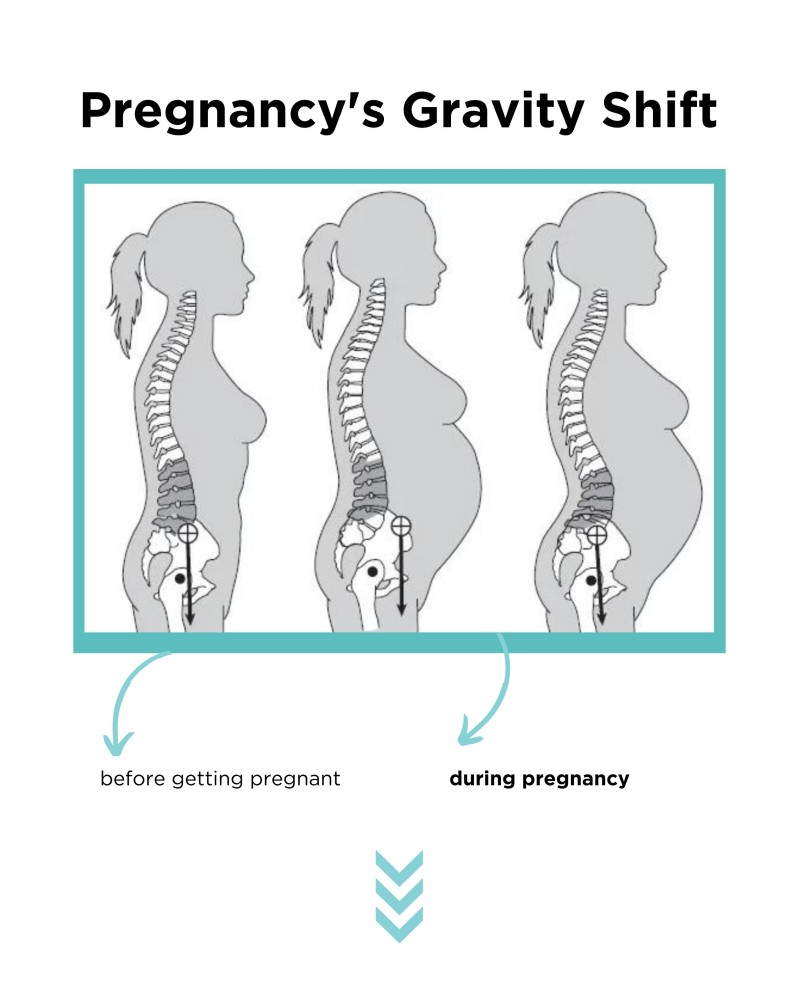
- Uterus and Spinal Changes: The uterus grows as it accommodates the developing fetus, altering the center of mass and affecting spinal and pelvic alignment.
- Hormonal Shifts: Hormones like relaxin trigger changes in ligament flexibility and collagen remodeling, essential for labor and delivery. Relaxin levels peak in the first trimester and gradually decrease before birth.
- Weight Gain: On average, women gain between 11-16 kg during pregnancy. This weight gain, while varying, plays a role in the changes to body mechanics.
- Changes to the Abdominal and Thoracic Areas
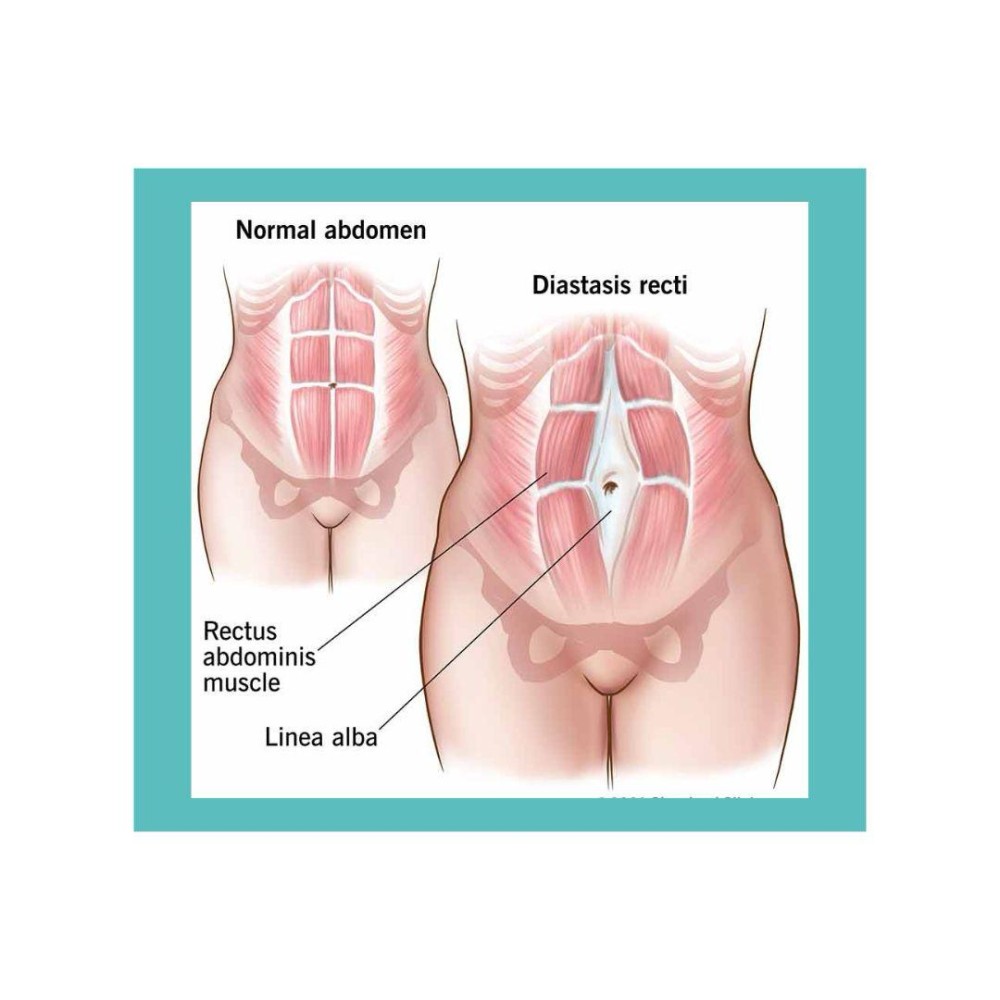
- Diastasis Recti: In the third trimester, 66-100% of women experience diastasis recti, a condition where the abdominal muscles separate, leading to potential issues with posture and pelvic stability.
- Thoracic Cage: Although the overall volume remains the same, the thoracic cage adjusts in diameter and height to accommodate changes in posture and lung function.
- Cardiovascular System Changes
A significant increase in blood flow (up to 25% directed to the uterus) leads to an increase in systolic volume and heart rate, preparing the body for the demands of pregnancy and childbirth.
- Pelvis and Lower Limbs Adaptations
- Pelvic Shifts: The pelvis tilts forward, increasing lumbar lordosis and shifting the center of mass. This, in turn, impacts balance and postural stability.
- Foot Changes: Pregnancy often results in a flatter foot arch and stiffer feet, which can affect posture and walking patterns
- Posture and Walking Adjustments
- Static Balance: Pregnancy affects the body’s ability to maintain balance, requiring modifications in posture and movement.
- Walking Patterns: Studies show a decrease in walking speed and stride length, along with an increase in step width. These changes occur as the body adjusts to its shifting center of mass.
- Preventing Balance Issues Physical activity can help mitigate the risk of falls by improving posture and lower body strength. Exercises like yoga and bodyweight training, focusing on flexibility, balance, and strength, are beneficial in maintaining stability throughout pregnancy.
By understanding these physical changes, women can better prepare for the challenges and changes that pregnancy brings. Regular exercise and proper care can help alleviate some of the discomforts, ensuring a smoother journey through this transformative time.
Pregnancy is a unique and evolving experience, and it’s important to have the right support at every stage. At Néssence, we offer a range of services to ensure your pregnancy journey is as smooth and joyful as possible. From labor preparation to postpartum support, our team is here to provide you with the resources and information you need to make the best decisions for you and your baby.